
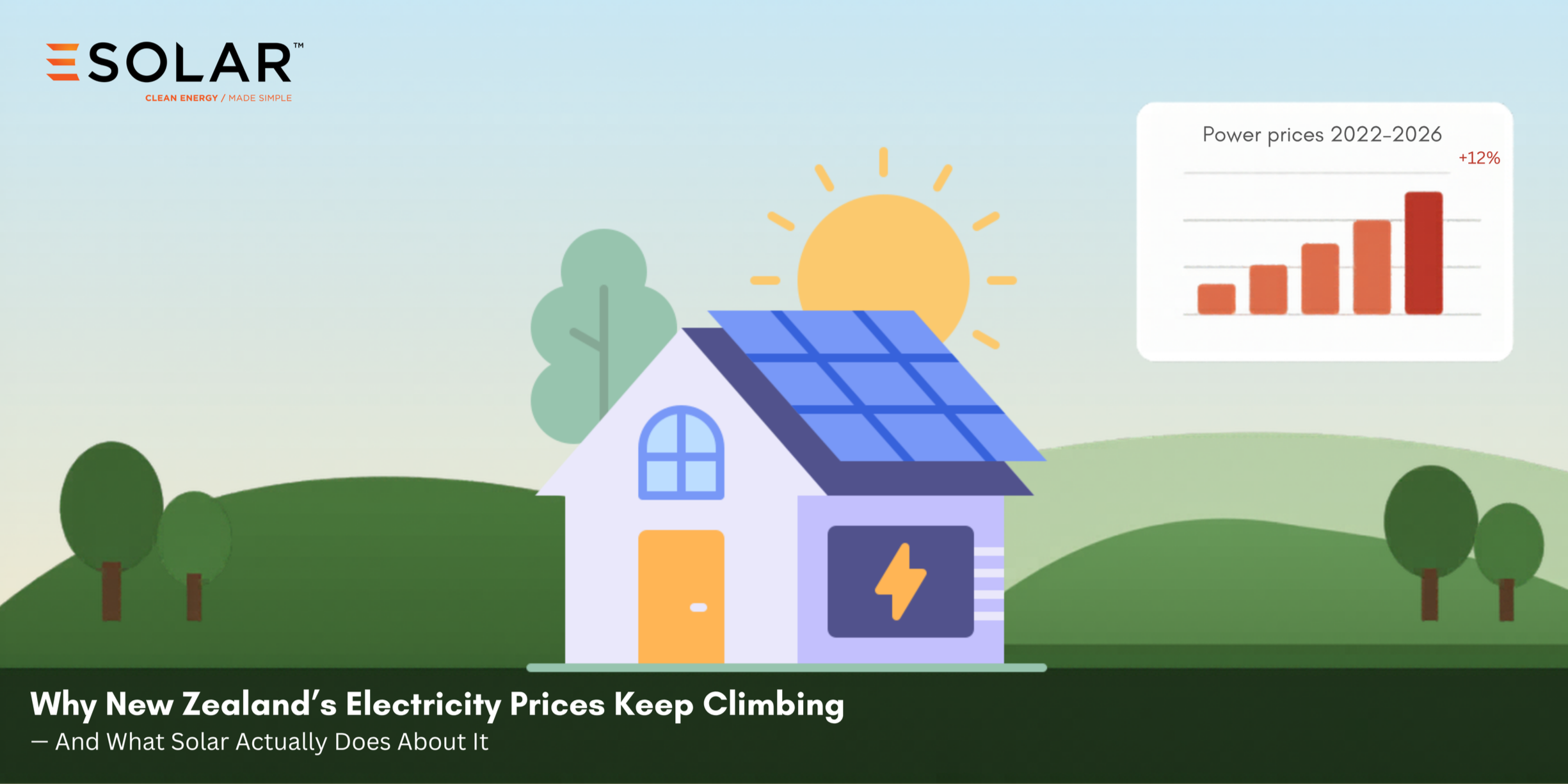
If your power bill feels like it creeps up every year, you're not imagining it. We break down why prices keep rising — and what a well-designed solar system actually does about it.
If it feels like your power bill has quietly crept up every year for the past few years, you're not imagining it. Electricity prices in New Zealand rose around 12% in 2025, and Consumer NZ and Powerswitch are forecasting another rise of roughly 5% in 2026 — with further lines-charge increases already locked in through to 2029.
For households in Nelson, Tasman, Marlborough and across the upper South Island, that’s a real squeeze. So it’s worth understanding why prices keep going up, because once you see the drivers, it becomes clear why more and more Kiwi families are turning to solar — not as a green gesture, but as a straightforward financial decision.
What’s actually pushing your power bill up?
A New Zealand power bill is made up of three main parts: the energy itself (generation), the cost of delivering it to your home (lines and transmission charges), and retailer costs. All three are under pressure right now.
1. Lines charges are the biggest pressure point.
Lines charges — the cost of moving electricity through the national grid and local networks — make up about a third of the average power bill. In 2024, the Commerce Commission raised the revenue limits for Transpower and local lines companies so they could cover higher interest rates and invest in aging infrastructure. Those increases are being spread out over several years. Consumer NZ has calculated that the average household power bill will rise by around $5 per month, every year, until 2029 — just from lines charges alone.
2. Generation is getting more expensive.
New Zealand has lived off the cheap electricity from hydro dams and power stations built decades ago — many of the Waikato River stations were built between the 1920s and 1970s. New generation costs a lot more to build today. Construction costs are up, financing is more expensive, gas is becoming scarcer, and dry years keep reducing hydro output. Generation is the single largest line item on your bill at around 38.5%.
3. Wholesale market volatility.
When hydro lakes run low, as they did in 2024, wholesale prices can spike dramatically — from around $300/MWh to over $800/MWh in a matter of weeks. Most households are insulated from the day-to-day volatility by fixed retail plans, but those wholesale shocks eventually flow through to the retail prices you pay.
4. Electrification is increasing demand.
As more Kiwis swap petrol cars for EVs, gas heating for heat pumps, and gas cooktops for induction, household electricity demand goes up. That’s good for decarbonization, but it adds pressure to a grid that’s already stretched.
Put all of that together and the direction is clear: power prices are going to keep climbing for the foreseeable future, and the fastest-growing portion of your bill — lines charges — is the part you can't shop around on by switching retailer.
What solar actually does about it
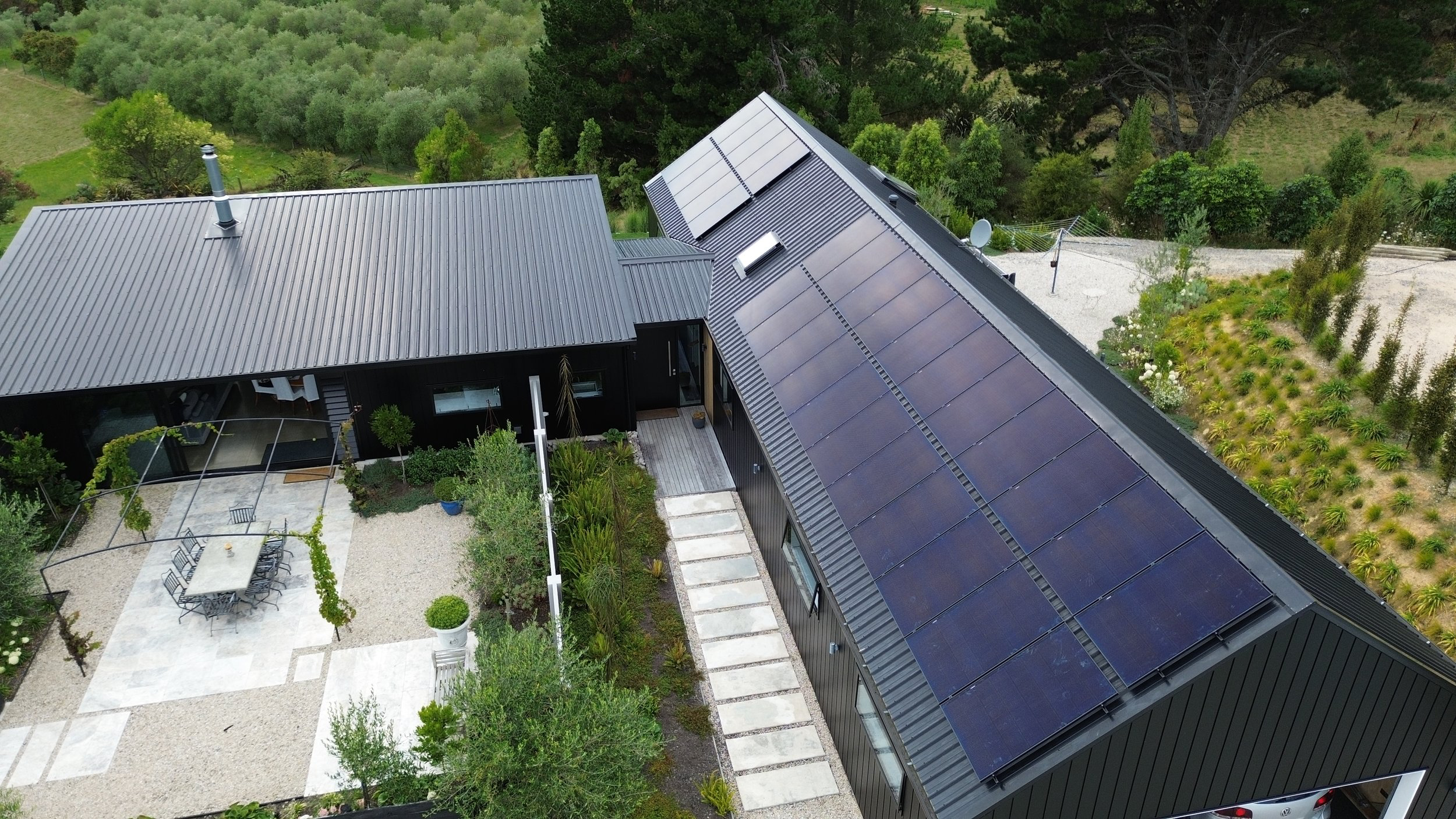
A properly sized residential system locks in the cost of a significant share of your household's electricity.
This is where solar changes the maths. A rooftop solar system doesn’t just shave a bit off your bill — it fundamentally changes your relationship with rising power prices.
You generate your own power at a fixed cost.
When you install solar, you’re effectively locking in the cost of a significant portion of your household’s electricity for the next 25+ years. The effective cost of electricity from rooftop solar in New Zealand works out to around 11 cents per kWh over the life of the system — well below what most retailers charge, and that gap widens every time grid prices rise.
Every price rise makes your solar system more valuable.
This is the part that doesn’t get talked about enough. When grid electricity gets more expensive, the savings from your solar system increase automatically. You’re not at the mercy of the next lines charge increase or wholesale price spike — you’re insulated from it for the portion of your power you generate yourself.
Payback periods are shorter than most people expect.
The EECA (the government’s energy efficiency agency) estimates a typical New Zealand solar installation pays itself back in 7–10 years if the household uses most of its solar production directly. Many installers report 5–8 year paybacks for homes with higher daytime usage, electric hot water, or heat pumps. After payback, you’re looking at 15+ years of essentially free electricity from a system warrantied for 25 years.
New rules will reward solar owners more fairly.
From July 2026, the Electricity Authority is requiring all major retailers to offer fairer buy-back rates for solar exports — particularly at peak times when the grid needs the power most. Combined with the rollout of time-of-use pricing, households with solar (and especially solar plus a battery) will be better rewarded for generating and exporting power when it matters.

Low-interest green loans bring it within reach.
Most major New Zealand banks now offer green loans for solar at around 1% p.a. fixed for three years. For many households, the monthly loan repayment is roughly offset by the monthly power bill savings — meaning you’re cashflow-neutral from day one and ahead once the loan is paid off.
What this means for Nelson and the upper South Island
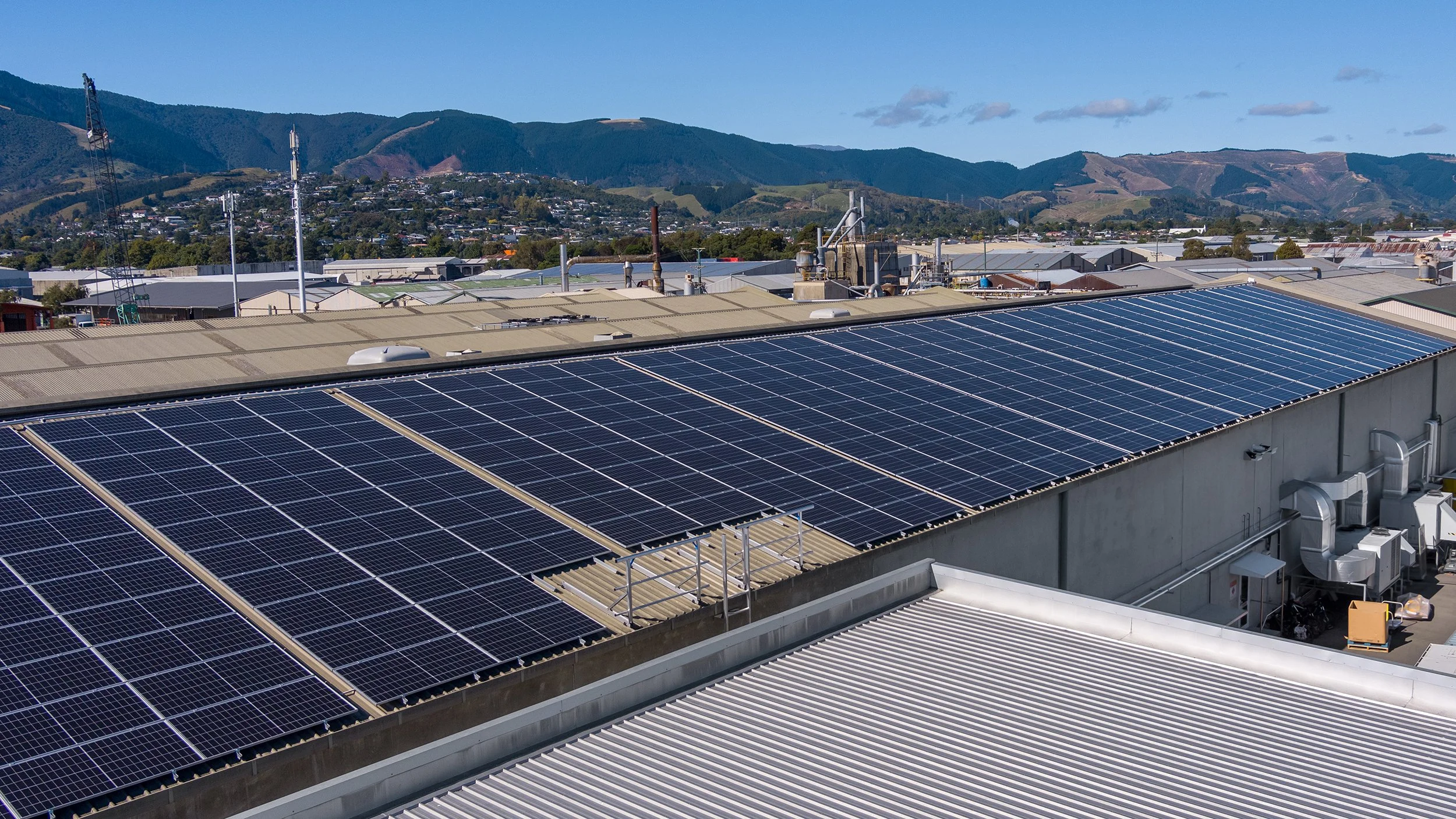
An Esolar commercial install in the Nelson region — local work, local expertise.
Nelson is one of the sunniest regions in New Zealand, which means solar performs better here than in most of the country. Combined with rising grid prices, increasing lines charges in rural and semi-rural areas, and the region’s mix of residential, lifestyle, rural and off-grid properties, the case for well-designed solar in the top of the South Island is particularly strong.
But the word that matters most here is well-designed. The difference between a cheap, generic solar install and a system properly sized to your property, your daytime usage, your roof orientation and your long-term goals is enormous — often the difference between a 6-year payback and a 12-year one.
At Esolar, we design solar systems specifically for your property, your usage and your goals — not off-the-shelf packages. If you'd like to know what solar would actually look like for your home or business, get in touch for a free site assessment.


